



Interleukin Related Activator
-
Kaolin
 0 ImagesCat. No.: HY-W115786CAS No.: 1332-58-7
Kaolin is a family of kaolinitic clays, which is found in the earth's crust. Kaolin alleviates the toxicity of graphene oxide for mammalian cells. Kaolin can be utilized in industrial, cosmetic and medical fields, excipient.
-
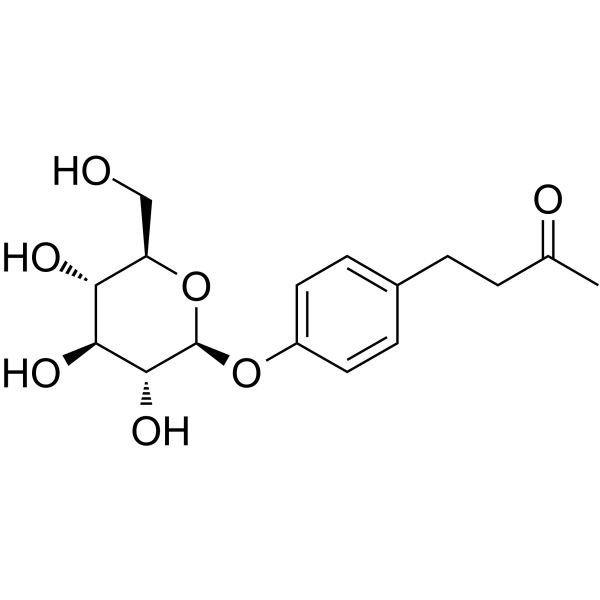
Raspberry ketone glucoside
 0 Images
Raspberry ketone glucoside is a melanogenesis inhibitor. Raspberry ketone glucoside inhibits melanogenesis by activating the IL6/JAK1/STAT3 pathway, inhibiting the transcriptional activity of MITFa, and its downstream expression levels of the TYR and TYRP1a genes. Raspberry ketone glucoside shows remarkable whitening activity on both B16F10 cells in vitro and zebrafish model in vivo.
-
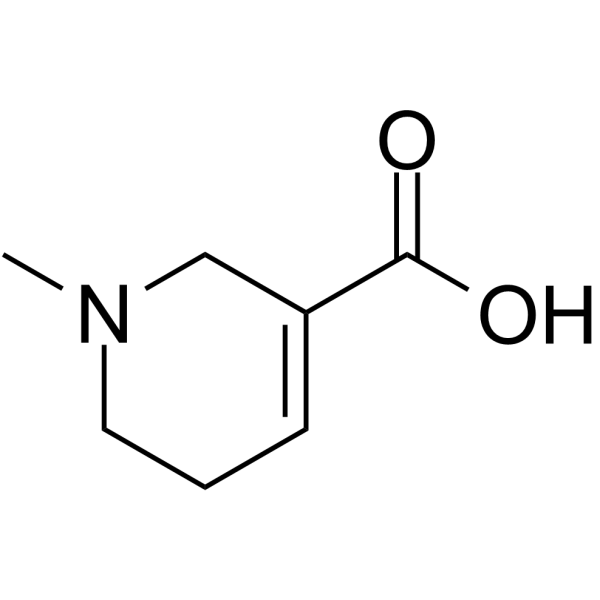
Arecaidine
 0 Images
Arecaidine is a GABA transport system inhibitor. Arecaidine inhibits the proliferation of oral mucosal fibroblasts, increases the secretion of IL-6, TGF-β and TNF-α in cells, downregulates the expression of PPAR-γ and PCK1 in cells, and upregulates the expression of TGF-β1. Arecaidine inhibits the uptake of γ-aminobutyric acid and β-alanine by the central nervous system of cats. Arecaidine inhibits hPAT1-mediated L-[3H]proline uptake in cells. Arecaidine can be used in research related to neurological diseases.
-
iE-DAP dihydrochloride
 0 ImagesCat. No.: HY-P5523APurity: 99.96%
iE-DAP dihydrochloride is a Nod1 agonist. iE-DAP dihydrochloride activates NOD1, which in turn activates the NF-κB signaling pathway and MLCK signaling pathway, inducing cellular inflammatory responses and tight junction disruption. iE-DAP dihydrochloride downregulates the expression of ZO-1 and Occludin genes. iE-DAP dihydrochloride increases the secretion of IL-6, GRO-α, MCP-1, IL-8 and MIP-1β in term human trophoblast cell cultures. iE-DAP dihydrochloride triggers preterm birth in pregnant mice, reduces fetal body weight, and induces fetal inflammation. iE-DAP dihydrochloride can be used in studies related to mastitis and preterm birth.
-
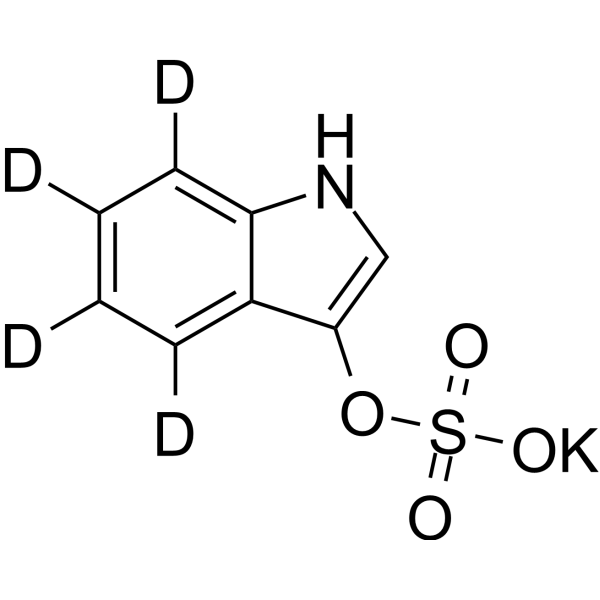
Potassium 1H-indol-3-yl sulfate-d4
 0 Images
Potassium 1H-indol-3-yl sulfate-d4 potassium is the deuterium labeled Potassium 1H-indol-3-yl sulfate. Potassium 1H-indol-3-yl sulfate is a metabolite of tryptophan, produced by intestinal microorganisms and combined with sulfate in the liver before entering the circulatory system. Potassium 1H-indol-3-yl sulfate is a potent endogenous agonist of the aryl hydrocarbon receptor (AhR) and a urinary toxin. Potassium 1H-indol-3-yl sulfate can be used for research on kidney diseases.
-
1-Palmitoyl-2-glutaryl-sn-glycero-3-phosphocholine
 0 ImagesSynonyms: PGPC
1-Palmitoyl-2-glutaryl-sn-glycero-3-phosphocholine is an oxidized phospholipid. 1-Palmitoyl-2-glutaryl-sn-glycero-3-phosphocholine reduces the viability of HUVECs, increases the levels of ferrous ions and lipid peroxidation, promotes the production of superoxide anions, and decreases the levels of glutathione and GPX4 in cells. 1-Palmitoyl-2-glutaryl-sn-glycero-3-phosphocholine upregulates the mRNA and protein levels of FABP3 in HUVECs, impairs mitochondrial membrane potential, and induces ferroptosis-related changes as well as mitochondrial dysfunction and damage. 1-Palmitoyl-2-glutaryl-sn-glycero-3-phosphocholine activates caspase-11 and promotes the continuous release of IL-1β from macrophages and dendritic cells. 1-Palmitoyl-2-glutaryl-sn-glycero-3-phosphocholine inhibits the proliferation of aortic smooth muscle cells and induces apoptosis in these cells. 1-Palmitoyl-2-glutaryl-sn-glycero-3-phosphocholine is applicable to relevant research on atherosclerosis.
-
Dexamethasone phosphate disodium (Standard)
 0 ImagesSynonyms: Dexamethasone 21-phosphate disodium (Standard)
Dexamethasone phosphate (Dexamethasone 21-phosphate) disodium (Standard) is the analytical standard of Dexamethasone phosphate disodium (HY-B1829A). This product is intended for research and analytical applications. Dexamethasone phosphate (Dexamethasone 21-phosphate) disodium is a prodrug form of the glucocorticoid Dexamethasone (HY-14648). Dexamethasone phosphate disodium is produced by introducing a phosphate ester group at the 21-position of the Dexamethasone molecule, forming a salt with sodium ions, thereby significantly improving water solubility. Dexamethasone phosphate disodium inhibits LPS (HY-D1056)-induced degradation of IRAK-1 and IRAK-4, and blocks LPS-induced activation of TRAF6, p-TAK1 and p-JNK. Dexamethasone phosphate disodium inhibits the secretion of RANTES, TGF-β1 and NO, promotes the production of MIP-1α and IL-10, and blocks microglial migration. Dexamethasone phosphate disodium is almost completely converted to Dexamethasone in rat blood, and supports transdermal delivery via iontophoresis. Dexamethasone phosphate disodium can be used in research related to steroid-dependent ulcerative colitis, chemotherapy-induced vomiting, allergic asthma and acute colitis (inflammatory bowel disease).
-
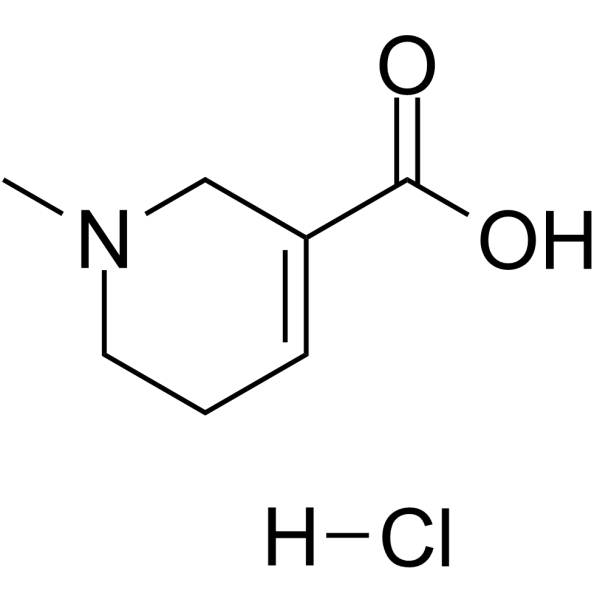
Arecaidine hydrochloride
 0 Images
Arecaidine hydrochloride is a GABA transport system inhibitor. Arecaidine hydrochloride inhibits the proliferation of oral mucosal fibroblasts, increases the secretion of IL-6, TGF-β and TNF-α in cells, downregulates the expression of PPAR-γ and PCK1 in cells, and upregulates the expression of TGF-β1. Arecaidine hydrochloride inhibits the uptake of γ-aminobutyric acid and β-alanine by the central nervous system of cats. Arecaidine hydrochloride inhibits hPAT1-mediated L-[3H]proline uptake in cells. Arecaidine hydrochloride can be used in research related to neurological diseases.
-
Glycochenodeoxycholic acid sodium salt (Standard)
 0 ImagesSynonyms: Chenodeoxycholylglycine sodium salt (Standard); Sodium glycochenodeoxycholate (Standard)
Glycochenodeoxycholic acid sodium salt (Standard) is the analytical standard of Glycochenodeoxycholic acid sodium salt. This product is intended for research and analytical applications. Glycochenodeoxycholic acid sodium salt (Sodium glycochenodeoxycholate) is a relatively toxic bile salt generated in the liver from chenodeoxycholic acid and glycine. Glycochenodeoxycholic acid sodium salt inhibits Autophagosome formation and impairs lysosomal function by inhibiting lysosomal proteolysis and increasing lysosomal pH in human normal liver cells, leading to the Apoptosis of human hepatocyte cells. Glycochenodeoxycholic acid sodium salt induces stemness and chemoresistance via activating STAT3 signaling pathway in hepatocellular carcinoma cells (HCC). Glycochenodeoxycholic acid sodium salt is promising for research in the field of cholestasis desease, hepatocellular carcinoma and primary sclerosing cholangitis (PSC).
-
Tris(2-chloroethyl)phosphate-d12
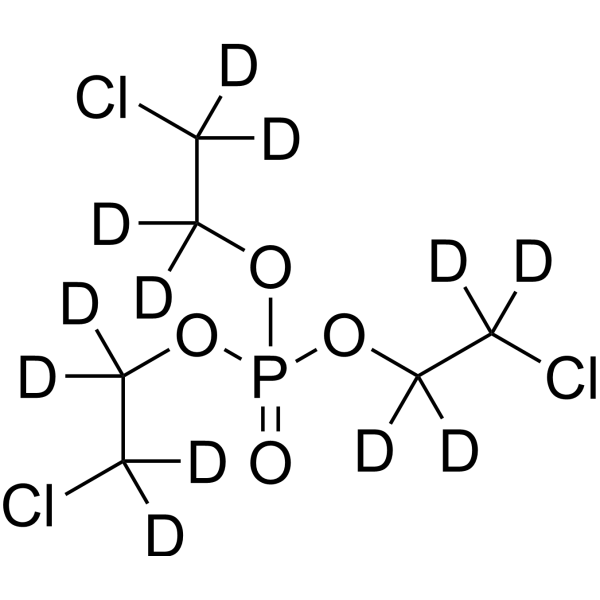 0 ImagesSynonyms: TCEP-d12
Tris(2-chloroethyl)phosphate-d12 is the deuterium labeled Tris(β-chloroethyl) phosphate. Tris(2-chloroethyl) phosphate is a widely used organic phosphorus flame retardant, mainly used as a plasticizer. Tris(2-chloroethyl) phosphate has orally active hepatotoxicity, inducing an increase in reactive oxygen species (ROS) and calcium ions (Ca²⁺) influx, a decrease in mitochondrial membrane potential (△Ψm), and causing DNA damage and cell apoptosis. Tris(2-chloroethyl) phosphate directly binds to FXR, inducing obesity and the formation of fatty liver in mice. Chloroethyl) phosphate activates the TLR4/NF-κB pathway, triggering liver inflammation.
-
Cetrelimab
 0 ImagesSynonyms: JNJ 63723283; JNJ 3283
Cetrelimab (JNJ 63723283; JNJ 3283) is a human IgG4κ mAb targeting PD-1. Cetrelimab binds PD-1 (Kd=1.72 nM, HEK293) to block the interaction of PD-1 with PD-L1 and PD-L2 (IC50s=111.7 ng/mL and 138.6 ng/mL, respectively). Cetrelimab stimulates peripheral T cells, increases IFN-γ, IL-2, TNF-α level and inhibits tumor growth in vivo.
-
Glycochenodeoxycholic acid (Standard)
 0 Images
Glycochenodeoxycholic acid (Standard) is the analytical standard of Glycochenodeoxycholic acid. This product is intended for research and analytical applications. Glycochenodeoxycholic acid (Chenodeoxycholylglycine) is a relatively toxic bile salt generated in the liver from chenodeoxycholic acid and glycine. Glycochenodeoxycholic acid inhibits Autophagosome formation and impairs lysosomal function by inhibiting lysosomal proteolysis and increasing lysosomal pH in human normal liver cells, leading to the Apoptosis of human hepatocyte cells. Glycochenodeoxycholic acid induces stemness and chemoresistance via activating STAT3 signaling pathway in hepatocellular carcinoma cells (HCC). Glycochenodeoxycholic acid is promising for research in the field of cholestasis desease, hepatocellular carcinoma and primary sclerosing cholangitis (PSC)[1][2][3][4].
-
Emfizatamab
 0 ImagesCat. No.: HY-P99914CAS No.: 2559704-23-1Synonyms: GNC-038
Emfizatamab (GNC-038) is a monoclonal antibody against CD19/CD3E/TNFRSF9/PD-L1. Emfizatamab exhibits antitumor activity, being capable of activating CD3 and 4-1BB signals on T cells, as well as targeting the high expression of CD19 or PD-L1 on tumor cells. Emfizatamab functions as a CD19-specific T cell engager by mediating direct antitumor activity. Emfizatamab can also overcome the inhibition of T cells by PD-L1. Emfizatamab can be used in the research of tumors such as R/R non-Hodgkin lymphoma or acute lymphoblastic leukemia.
-
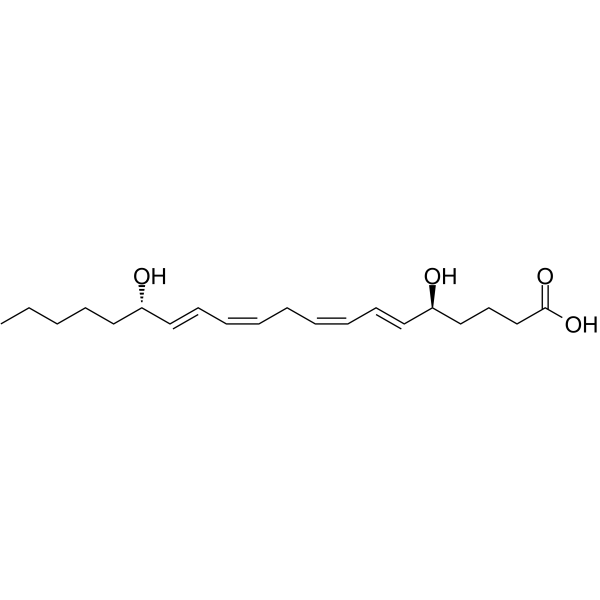
5(S)15(S)-DiHETE
 0 Images
5(S)15(S)-DiHETE is an “activated” intermediate, inhibits platelet aggregation with an IC50 of 1.3 μM. 5(S)15(S)-DiHETE enhances the rate of either LXA4 or LXB4 biosynthesis.
-
Pinus pinaster bark extract
 0 ImagesCat. No.: HY-N14039CAS No.: 90082-75-0
Pinus pinaster bark extract is extracted from the bark of pine bark with antioxidant, anti-inflammatory and neuroprotective effects. Pinus pinaster bark extract increases toll-like receptor (TLR) activity, inducing production of IL-10.
-
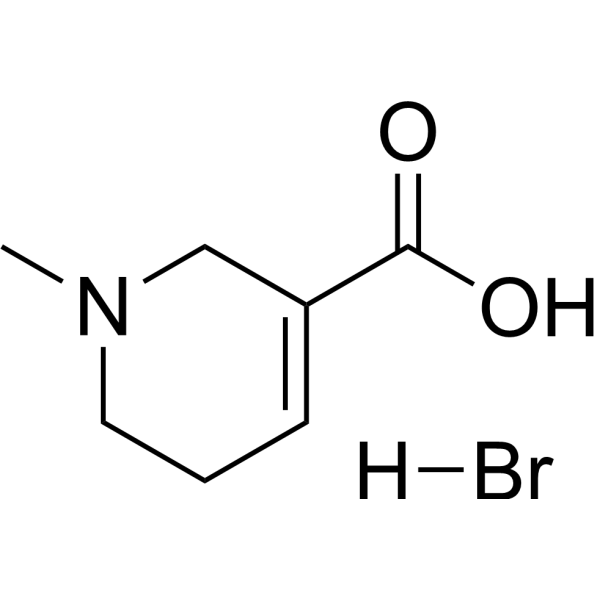
Arecaidine hydrobromide
 0 Images
Arecaidine hydrobromide is a GABA transport system inhibitor. Arecaidine hydrobromide inhibits the proliferation of oral mucosal fibroblasts, increases the secretion of IL-6, TGF-β and TNF-α in cells, downregulates the expression of PPAR-γ and PCK1 in cells, and upregulates the expression of TGF-β1. Arecaidine hydrobromide inhibits the uptake of γ-aminobutyric acid and β-alanine by the central nervous system of cats. Arecaidine hydrobromide inhibits hPAT1-mediated L-[3H]proline uptake in cells. Arecaidine hydrobromide can be used in research related to neurological diseases.
-
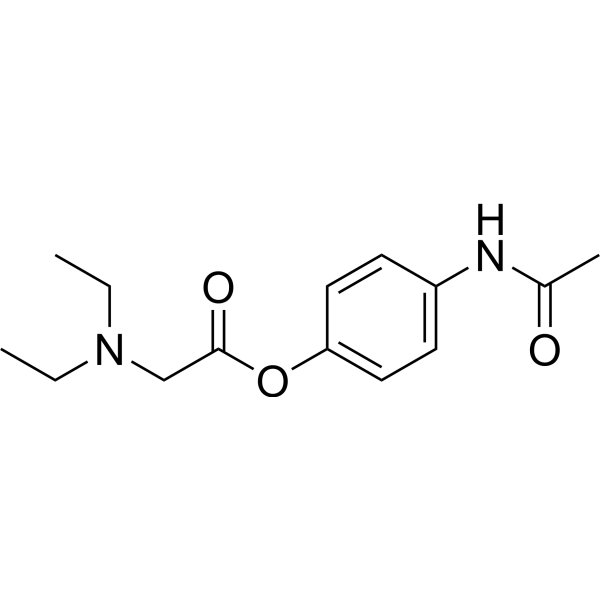
Propacetamol
 0 Images
Propacetamol is an orally active prodrug of Acetaminophen (HY-66005), which exerts antipyretic and analgesic effects after metabolism. Propacetamol reduces Aspirin (ASA) (HY-14654)-induced elevation of malondialdehyde (MDA) in gastric mucosa and plasma, regulates the levels of gastric mucosal glutathione (GSH and GSSG) to maintain cellular antioxidant defense, and increases gastric mucosal uric acid (UA) levels. Propacetamol exerts a dose-dependent protective effect against ASA-induced gastric mucosal damage in rats. Propacetamol can be used for the study of gastric mucosal injury by interfering with oxidative stress.
-
RIBI-529
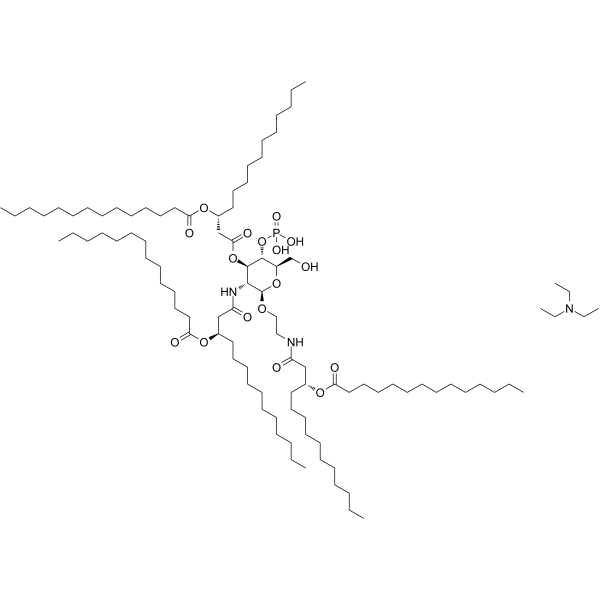 0 ImagesCat. No.: HY-144002CAS No.: 216014-46-9Synonyms: RC-529
RIBI-529 (RC-529) is a fully synthetic, low-toxicity TLR4 agonist vaccine adjuvant. RIBI-529 upregulates cell surface co-stimulatory molecules, receptors, cytokines and chemokines, and activates the innate immune system. RIBI-529 enhances short-term CD4+ T cell clonal expansion, division, and ex vivo survival under growth factor withdrawal conditions. RIBI-529 enhances humoral and cell-mediated adaptive immune responses, induces non-specific resistance against viral and bacterial pathogens, and skews responses toward a Th1 type, accompanied by Th2 responses.
-
Cynandione A
 0 Images
Cynandione A is an acetophenone that can be isolated from Cynanchum Wilfordii Radix. Cynandione A protects hepatocytes and cortical neurons from toxicity and improves neurological deficits in a rat model of cerebral ischemia. On the other hand, cynandione A has significant anti-inflammatory effects and inhibits inflammation by activating macrophage α7 nAChR and IL-10 expression.
-
OM-RCA-01
 0 ImagesCat. No.: HY-P991999Purity: ≥99.0%
OM-RCA-01 is an anti-FGFR1 monoclonal antibody with a Kd of 1.59 nM for human FGFR1. OM-RCA-01 inhibits the phosphorylation of FGFR1, blocks FGF-mediated signaling pathways, and suppresses the proliferation of downstream tumor cells. OM-RCA-01 delays tumor growth in lung cancer and renal cancer xenograft models expressing FGFR1. When combined with Nivolumab, OM-RCA-01 enhances the release of IFN-γ and IL-2. OM-RCA-01 is applicable for the research of lung cancer and renal cell carcinoma.



